Online Sports Gaming and Digital Safety: What Users Should Know
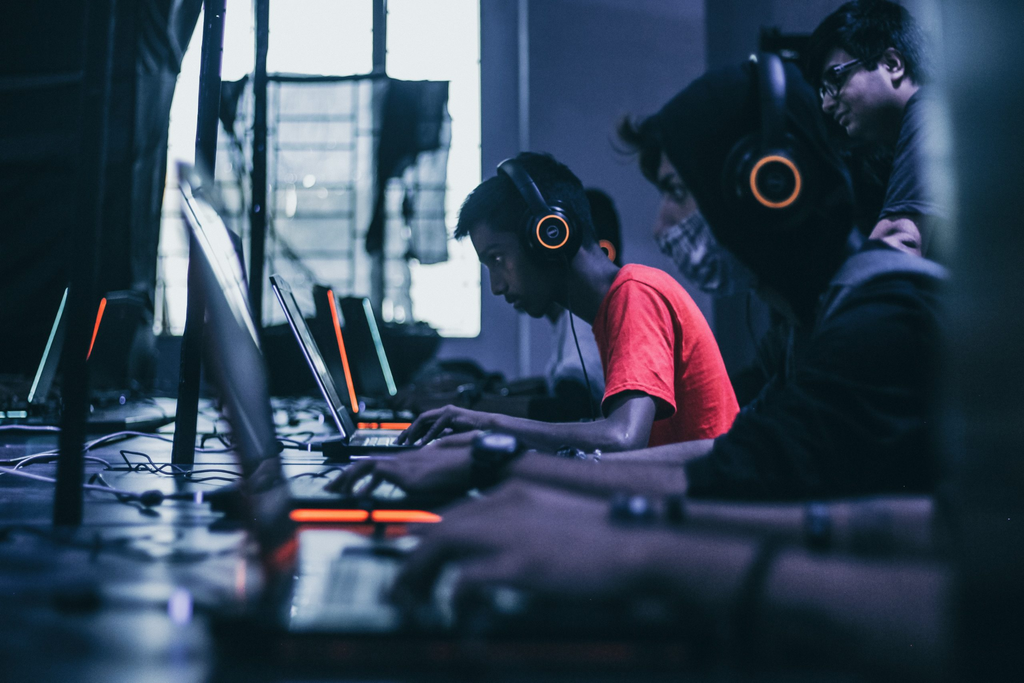
The digital sports and gaming landscape has changed significantly in recent years. People can now access sports content, interactive games, online communities, and entertainment services from computers and mobile devices. When researching platforms such as pg99 beer, users should look beyond the available entertainment and consider account security, privacy, financial awareness, and responsible online behavior. These areas can help users make more informed decisions when interacting with unfamiliar digital services.
Online entertainment can be convenient and engaging, but it also requires users to understand the potential risks associated with connected accounts and financial transactions. Developing a few simple habits can make a significant difference.
The Growth of Digital Sports Entertainment
Sports have naturally expanded into the online environment. Fans can follow competitions, access statistics, discuss events with other users, and explore sports-themed games without being limited to traditional media.
Modern digital services may offer features such as:
- Sports information
- Interactive games
- Community discussions
- Mobile experiences
- Digital competitions
- Live updates
Because different services operate under different rules, users should review the available information before creating an account or using a new platform.
Why Online Account Security Matters
An online gaming account can contain a surprising amount of personal information. Depending on the service, it may include an email address, username, profile details, purchase records, and payment information.
A compromised account can therefore create privacy and financial concerns.
Some common online risks include:
- Password theft
- Phishing
- Fake login pages
- Malware
- Fraudulent transactions
- Account impersonation
- Unwanted messages
Good security practices can reduce exposure to many of these problems.
Use Strong, Unique Passwords
Password reuse is a common security weakness.
If the same password is used on several websites and one account becomes compromised, attackers may attempt to use the credentials elsewhere.
For important accounts, users should create passwords that are difficult to guess and different from those used on other services.
Avoid passwords based on:
- Names
- Birthdays
- Phone numbers
- Usernames
- Simple sequences
- Common phrases
A password manager can help generate and store unique credentials.
Enable Multi-Factor Authentication
Multi-factor authentication provides another layer of protection beyond a password.
When available, users should consider activating it for both gaming accounts and the email accounts connected to them.
This can be particularly useful because an attacker who obtains a password may still need a second verification method to access the account.
Users should never share authentication codes with another person, even if that person claims to represent a gaming platform.
Secure Your Email Account
The email account connected to a gaming service deserves special attention.
Email addresses are commonly used for:
- Password recovery
- Account verification
- Security alerts
- Login notifications
- Customer support
If someone gains control of the email account, they may attempt to reset passwords on connected services.
Use a unique password and additional authentication for email whenever possible.
Keep Devices Updated
Online security also depends on the device being used.
Computers, smartphones, tablets, and consoles should receive appropriate software updates. Operating systems, browsers, applications, and security tools can all contain vulnerabilities that developers address through updates.
Automatic updates can make this easier.
Keeping software current can also improve performance and fix compatibility problems.
Think Carefully Before Downloading Software
Online gaming communities sometimes share third-party applications, extensions, modifications, and other downloadable files.
Not all third-party software is dangerous, but unknown sources can create unnecessary security risks.
Before installing a file, consider its source and publisher.
Be cautious about downloads that promise:
- Free premium features
- Unlimited digital items
- Secret tools
- Special account access
- Unofficial rewards
- Guaranteed advantages
If software requires security protections to be disabled before installation, investigate the source carefully.
Learn to Identify Phishing
Phishing messages are designed to make users reveal sensitive information.
A fraudulent message might claim that an account has been locked or that a payment needs immediate confirmation. It may then provide a link to a fake login page.
Warning signs include:
- Unexpected account warnings
- Urgent requests
- Suspicious domains
- Unknown senders
- Requests for passwords
- Requests for verification codes
- Unexpected attachments
Rather than following a questionable link, users should independently open the relevant application or website.
Protect Your Privacy
Online sports and gaming communities allow users to communicate with people they may not know personally.
This makes privacy awareness important.
Avoid sharing sensitive information such as:
- Home address
- Financial information
- Identification documents
- Passwords
- Verification codes
- Private phone numbers
- Exact location
Users should also review profile visibility settings.
A public gaming profile does not need to reveal information that could identify a person’s real-world location.
Handle Online Interactions Carefully
Communication can be one of the most enjoyable parts of online gaming, but it can also introduce risks.
If another player asks for personal information, money, passwords, or suspicious downloads, users should be cautious.
Most platforms offer tools for:
- Blocking
- Muting
- Reporting
- Restricting messages
- Managing friend requests
Using these features can help users control their online environment.
Understand Digital Payments
Some online entertainment services include purchases, subscriptions, digital items, or other paid features.
Before completing a transaction, check the details carefully.
Important points include:
- Total price
- Currency
- Billing frequency
- Renewal dates
- Refund policies
- Payment method
- Account being charged
Do not make a payment simply because a message claims that immediate action is required.
When possible, access payment information directly through the platform rather than through an unfamiliar link.
Set Clear Spending Limits
Small digital transactions can add up over time.
Creating an entertainment budget can help users maintain control over spending.
A practical approach is to decide on a maximum amount before beginning and avoid increasing it because of excitement or frustration.
Helpful habits include:
- Reviewing transaction history
- Checking subscriptions
- Avoiding borrowed money for entertainment
- Keeping essential expenses separate
- Stopping when spending becomes stressful
For activities involving real-money wagering, users should remember that financial losses are possible.
Understand the Difference Between Gaming and Wagering
Sports-themed entertainment can take many forms. Some activities are purely recreational, while others may involve financial stakes.
These categories should not be treated as identical.
If an online activity involves real-money wagering, users should understand the potential risks before participating.
Consider:
- The rules
- Potential losses
- Age requirements
- Eligibility restrictions
- Local regulations
- Payment conditions
- Withdrawal procedures
There is no guaranteed result when an activity depends on chance or uncertain outcomes.
Manage Screen Time
Responsible gaming includes more than financial awareness.
Long periods of screen use can interfere with sleep, work, education, exercise, and relationships.
Users can maintain better balance by:
- Taking regular breaks
- Maintaining a consistent sleep schedule
- Staying physically active
- Spending time away from screens
- Pursuing offline hobbies
- Setting reasonable gaming periods
Entertainment should complement everyday life rather than consistently interfering with important responsibilities.
Consider Younger Users
Children and teenagers may need additional protection when accessing online gaming and sports services.
Parents and guardians can review settings related to:
- Age ratings
- Purchases
- Communication
- Privacy
- Screen time
- Account permissions
Young users should understand that passwords, financial details, addresses, and authentication codes should never be shared with strangers.
Regular conversations about online safety can also make it easier for children to report uncomfortable interactions.
Monitor Your Account
Regular account checks can help identify suspicious activity.
If a platform provides login history or active-session information, users should review it periodically.
Look for:
- Unknown devices
- Unfamiliar login locations
- Unexpected purchases
- Password-reset notifications
- Changes to account settings
If something appears unusual, change the password and contact official support.
What to Do After a Security Problem
If an account may have been compromised, respond quickly.
First, change the password from a trusted device. If the same password was used on other websites, change it there too.
Then consider the following steps:
- End unfamiliar active sessions.
- Enable multi-factor authentication.
- Review recent transactions.
- Secure the associated email account.
- Check the device for malware.
- Contact the platform’s official support channel.
Never provide passwords or verification codes to unofficial account-recovery services.
Research Before Joining a New Platform
A few minutes of research can help users understand an unfamiliar service.
Before registering, look for information about:
- Terms and conditions
- Privacy practices
- Account requirements
- Age restrictions
- Customer support
- Payment procedures
Do not rely exclusively on advertisements or individual recommendations.
For financial or legal questions, official sources should receive particular attention.
Create a Simple Safety Routine
Online security becomes easier when it becomes a regular habit.
Before using a new service, ask:
- Is the website address correct?
- Is my password unique?
- Is additional authentication available?
- Is my device updated?
- Do I understand the privacy settings?
- Am I sharing unnecessary information?
- Do I understand the financial conditions?
- Am I staying within my personal limits?
- Do I meet the relevant age and legal requirements?
A short checklist can prevent many avoidable mistakes.
Conclusion
Digital sports entertainment offers convenient access to interactive games, communities, and sports-related content. However, users should approach online services with reasonable caution. Strong passwords, multi-factor authentication, updated software, privacy controls, careful downloads, secure payment practices, and sensible spending limits can all contribute to a safer digital experience.
For readers researching thể thao pg99, it is important to independently review the relevant rules, costs, age and eligibility requirements, transaction conditions, potential financial risks, and applicable local laws before participating in any activity involving real money.
Ultimately, responsible online participation comes down to informed choices. Protecting personal information, verifying unfamiliar messages, monitoring accounts, and maintaining clear boundaries can help users enjoy digital sports entertainment while reducing unnecessary security and financial risks.